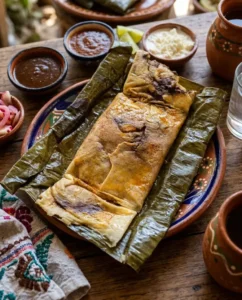
A tamal wrapped in a banana leaf can look simple from the outside. Open it, though, and the aroma of warm masa, tender chicken, and deep red-brown mole tells a much bigger story. So, what is Mexican mole sauce? It is a family of richly layered sauces made by blending chiles, seeds, nuts, herbs, spices, and other ingredients into something savory, complex, and full of memory.
Mole is not one single recipe, one single color, or one single flavor. Across Mexico, every region, town, and family may prepare it differently. A mole can be smoky, sweet, earthy, nutty, spicy, tangy, or gently bitter. Often, it is all of those things in one spoonful.
For many Mexican families, mole belongs at the center of a celebration. It is the food made for birthdays, weddings, holidays, baptisms, and the days when everyone has a reason to gather around the table. It takes time, patience, and care, which is exactly why it feels special.
What Is Mexican Mole Sauce Made From?
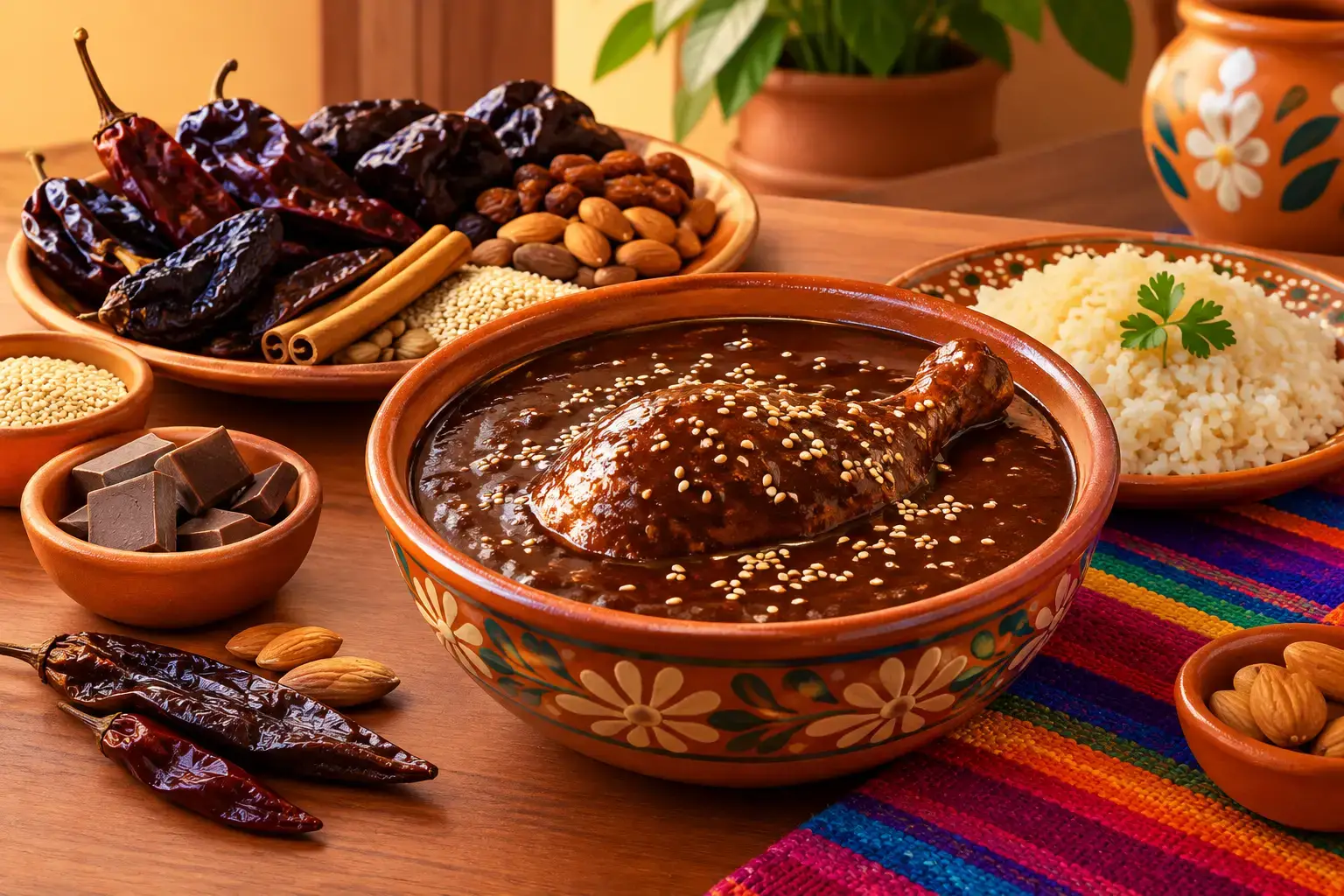
The heart of mole is balance. Dried chiles bring heat, fruitiness, color, and depth. Ingredients such as sesame seeds, pumpkin seeds, peanuts, almonds, tortillas, or bread can add body and a toasted flavor. Tomatoes or tomatillos may bring brightness, while garlic, onion, cinnamon, clove, black pepper, oregano, and other spices build aroma.
Many moles also include a touch of sweetness from raisins, plantains, or chocolate. This is where a common misunderstanding begins: Mexican mole sauce is not chocolate sauce poured over chicken. Chocolate is only one possible ingredient, usually used in a small amount to round out bitterness and spice. In a well-made mole, it should not taste like dessert. It should taste savory first, with a deep, warm finish.
The ingredients are often toasted, fried, roasted, or charred before blending. That careful cooking creates layers that cannot be rushed. Then the sauce is simmered until it comes together, becoming smooth, fragrant, and full-bodied. Some moles take hours. Others are prepared over more than one day, especially when a family is cooking for a large celebration.
A good mole does not have one loud flavor. The chile should not overpower everything. The sweetness should not take over. The spice should wake up the palate without hiding the warmth of the masa, meat, or vegetables it is served with. That balance is part technique and part family instinct.
Why Mole Changes From One Kitchen to Another
Mexican cooking is deeply regional, and mole shows that beautifully. Oaxaca is often called the land of seven moles, a beloved way to recognize several of the state’s best-known varieties: mole negro, rojo, coloradito, amarillo, verde, chichilo, and manchamanteles. Each one has its own personality.
Mole negro is famously dark, complex, and velvety, often made with deeply toasted chiles and ingredients that create a rich, almost smoky finish. Mole rojo is vibrant and chile-forward. Coloradito can be red-orange, gently sweet, and warm with spices. Mole verde gets its fresh color and flavor from herbs, green chiles, seeds, and sometimes tomatillos. Mole amarillo is lighter in color but still full of chile flavor, often served in stews or with masa-based dishes.
Those names are useful, but they do not tell the whole story. A cook in Oaxaca City may make mole negro differently from a cook in a village in the Sierra Sur. A grandmother may add a little more sesame, while another family toasts the chiles darker or uses a different local chile. Neither version is less authentic. Mole is a living tradition, not a fixed formula.
That is one reason packaged jarred mole and freshly prepared mole can taste so different. A ready-made paste can be convenient and can make a good meal at home, especially when time is short. But homemade or restaurant-made mole often has a brighter aroma and more personal character because the cook can adjust the chiles, seasoning, texture, and sweetness as it cooks.
Mole and Oaxacan Tamales Belong Together
In an Oaxacan-style tamal, mole is more than a filling. It gives the tamal its soul. Soft corn masa is spread over a banana leaf, then filled with chicken and mole before being folded and steamed. As the tamal cooks, the masa absorbs the sauce’s fragrance while the banana leaf adds its own gentle, earthy aroma.
The result is comforting but never plain. The masa is tender and mild, which gives the mole room to shine. The chicken brings savory richness. The leaf holds in steam and flavor, creating a meal that feels generous, handmade, and complete.
At Nantli, the Tamal Oaxaqueño celebrates that tradition with chicken and mole wrapped in banana leaf and steamed with care. It is a reminder that food can carry a place with it. One bite can bring the warmth of a family kitchen, the energy of a market, and the joy of a table filled with people who came to eat and stay awhile.
Mole also works beautifully beyond tamales. It may be served over chicken, turkey, enchiladas, or vegetables, with warm tortillas or rice on the side. The best pairing depends on the mole itself. A dark, intense mole may need simple sides that let it stand out. A bright green mole can feel especially lively with vegetables or tender chicken. There is no one correct plate, only the pleasure of finding the combination that feels right.
How to Taste Mole Like a Cook
When you taste mole, give it a moment before deciding whether it is spicy or sweet. First, notice the aroma. You may smell toasted chiles, warm spices, sesame, fruit, or earthiness. Then let the sauce rest on your tongue. Its flavors often arrive in stages.
You might first taste chile, then toasted nuts or seeds, then a little sweetness, then a mild bitterness that keeps the sauce from becoming heavy. The finish should invite another bite. If mole is made well, its complexity feels welcoming rather than confusing.
Heat also varies. Some moles are mild, while others have a steady chile warmth. Darker color does not always mean more spice, and a sweeter mole is not always mild. If you are new to mole, begin with a small taste and enjoy it with masa, rice, or a tortilla. These foods soften the heat and help bring out the sauce’s deeper flavors.
For diners who follow vegetarian or vegan diets, mole deserves a closer look rather than an assumption. Some recipes use chicken broth, lard, or animal-based ingredients, while others are made entirely plant-based. The chile, seed, spice, and vegetable foundation of mole can be naturally welcoming to many diets, but preparation matters. Asking how a particular mole is made is always the best way to choose with confidence.
A Sauce Made for Sharing
Mole carries the kind of flavor that asks people to slow down. It honors ingredients that have been dried, toasted, ground, blended, and patiently simmered. It honors the hands that prepare it. And it makes room for everyone at the table, whether the meal is a holiday feast or a quick lunch that needs a little more joy.
The next time you unwrap a tamal or spoon mole over a warm tortilla, taste beyond the chile and spice. Taste the celebration in it. Mole is a sauce, yes, but it is also a loving way of saying: there is enough here for you, so come eat.